Your home’s air quality depends heavily on choosing the right filter for your HVAC system. Fortunately, our friendly Rockwall, TX air conditioning and heating team at Lyons helps homeowners and businesses in the DFW area understand the different types of air filters and how each option affects indoor comfort and system performance.
Selecting the proper filter supports cleaner air and more efficient operation. Effective air filters trap dust, pollen, disease-causing germs, and other airborne particles before they circulate throughout your rooms. They also reduce debris buildup inside the system, which helps prevent unnecessary strain, breakdowns, and costly repairs over time. At Lyons, we provide reliable residential and commercial AC services in Rockwall and the surrounding areas, including professional air filter replacements. Call (469) 224-1512 or complete our online contact form to receive personalized filter recommendations for your space.
Are All Air Filters the Same?
Not all air filters work the same way or deliver the same results. Filters come in different materials, such as fiberglass, pleated paper, and electrostatic fabric, which trap particles differently. Thickness typically ranges from 1 to 5 inches. Thicker options have more surface area to catch contaminants and harmful microorganisms.
Filtering ability affects how clean your air stays and how hard your system has to work to push air through. A basic air filter might only stop large dust particles, while higher-grade versions capture tiny allergens and bacteria. Our indoor air quality experts in Rockwall, Texas help you balance clean air with efficient system performance based on your home’s needs.
Are All Air Filters the Same Size?
Filter sizes vary widely, and using the wrong dimensions can hurt your system’s performance. Standard sizes like 16×20, 20×25, and 16×25 fit most residential systems, but some homes need custom measurements. The primary difference between a perfect fit and a poor one is how much air can bypass the filter through gaps.
When filters are too small, unfiltered air can flow around the edges, carrying dust and other particles into your system. Our experienced technicians help Texas residents find filters that seal properly for maximum protection.
Are All Air Filters the Same Efficiency?
How well a filter cleans your air depends on its efficiency rating. Filters range from basic models that capture large dust particles to advanced models that trap tiny allergens and bacteria. Most residential filters consist of layered materials designed to capture particles as air passes through without blocking airflow.
A standard filter works fine for most homes, but families with allergies or pets often need something stronger. Hospital-grade options are available for people with serious respiratory problems, though most home systems aren’t designed to handle that level of filtration. Choosing the right efficiency depends on your health needs and what your equipment can support.
Levels of Air Filters and MERV Ratings
It is important to pay attention to MERV ratings when selecting your filters. What is a MERV rating and what does it mean? The Minimum Efficiency Reporting Value system assigns ratings ranging from 1 (basic dust protection) to 20 (hospital-grade filtration). Filters rated 1-4 catch large particles like lint and carpet fibers, but miss smaller contaminants. Mid-range options from 5 to 8 trap mold spores, dust mites, and pet dander that can trigger allergies.
A higher MERV rating between 9 and 12 can remove harmful particles, such as fine dust and some bacteria. Filters above 13 remove viruses, smoke, and microscopic pollutants, but may restrict airflow in standard home systems. Most Rockwall homes get the best balance with ratings between 8 and 11.
What are the Different Types of Air Filters?
HVAC filters vary in cost, performance, and replacement frequency. As part of our Rockwall AC tune-up services, we can help you determine the best options for air filter replacements.
Fiberglass Air Filters
This filtration option uses layered strands of spun glass filters supported by a metal grate to capture larger particles, such as dust and lint. Fiberglass flat paneled-filters are the most budget-friendly option available and come in disposable versions that you replace monthly. They work well at protecting your equipment from debris, but don’t do much to improve air quality.
Pleated Air Filters
The paper-like material, folded into accordion-style ridges, of pleated air filters catches contaminants without restricting airflow too much. Since the pleated material creates more surface area, it can trap more dust, pollen, and other airborne particles moving through your system. These filters typically last 3 months before needing replacement, saving you time and money compared to monthly changes. Homeowners with mild allergies or average air quality concerns may find this option preferable.
Electrostatic Air Filters
Electrostatic filters create static electricity to pull particles out of the air. Layers of cotton and paper fibers generate a charge as air flows through them. The static charge acts like a magnet and traps pollutants before they circulate through your home. Some models feature a washable filter screen that you can rinse and reuse for years, as well as an added carbon filter for improved efficiency. Although these cost more upfront, you save money on replacements in the long term. Electrostatic filters work well for anyone dealing with allergies or looking for better air quality without the ongoing cost of filter replacements.
Washable Air Filters
Reusable filters can be cleaned and reinstalled instead of thrown away. These come in both flat and pleated forms that you remove, rinse with water, and let dry completely before reinstalling. Damp filters can foster mold growth and spread spores throughout your home, defeating the purpose of filtration. Washable filters cost more upfront but eliminate the need to buy replacements every few months. Some homeowners like the environmental benefits of reducing waste, while others find the cleaning routine too much of a hassle.
HEPA Air Filters
These high-performance options capture most pollutants, including smoke particles, bacteria, and particles as small as 0.3 microns. HEPA filters trap airborne contaminants that other filters miss, making them ideal for people with serious allergies or asthma. However, the material creates significant airflow resistance that most standard home HVAC systems weren’t designed to handle. Our technicians can assess whether your equipment supports this level of filtration or recommend standalone solutions that better address respiratory concerns.
Where Are My Air Filters Located?
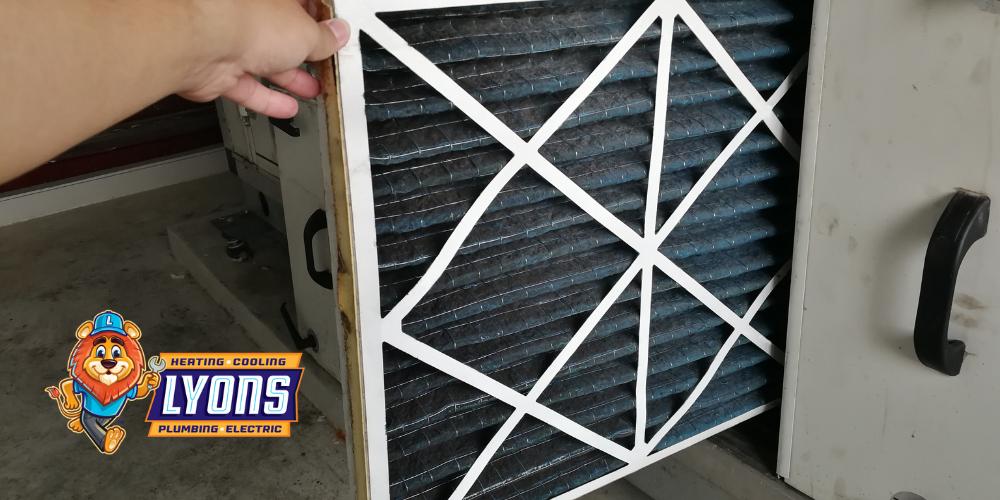
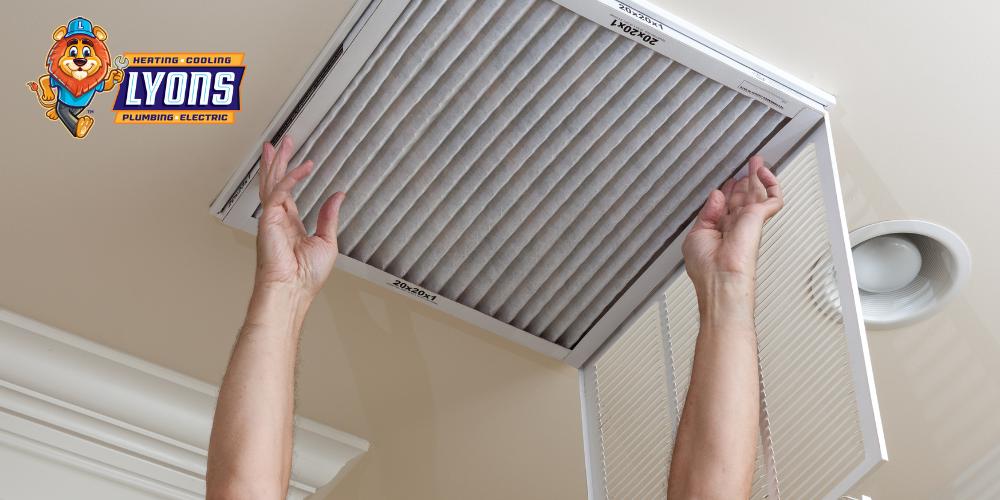
Most homes have filters in locations that you can check without special tools. Return air grilles are usually found on walls or ceilings in hallways or main living areas. Some systems keep the filter inside the metal cabinet of your air handler or furnace, which you can access by opening a small door.
Larger homes sometimes have multiple return vents with filters at each, which all need to be replaced regularly. If you’re not sure where yours are, look for rectangular vents that pull air in rather than blow it out. You can also check your system’s manual or call Lyons HVAC technicians for help finding and changing filters.
Do Air Filters Make a Difference in HVAC Performance?
Clean air conditioner filters play a big role in how well your system runs and how comfortable your home stays. Proper filtration allows steady airflow through your equipment, which helps it cool or heat your space efficiently. Filters that trap smaller particles keep dust and allergens out of your ducts and living areas, which matters for anyone with respiratory issues.
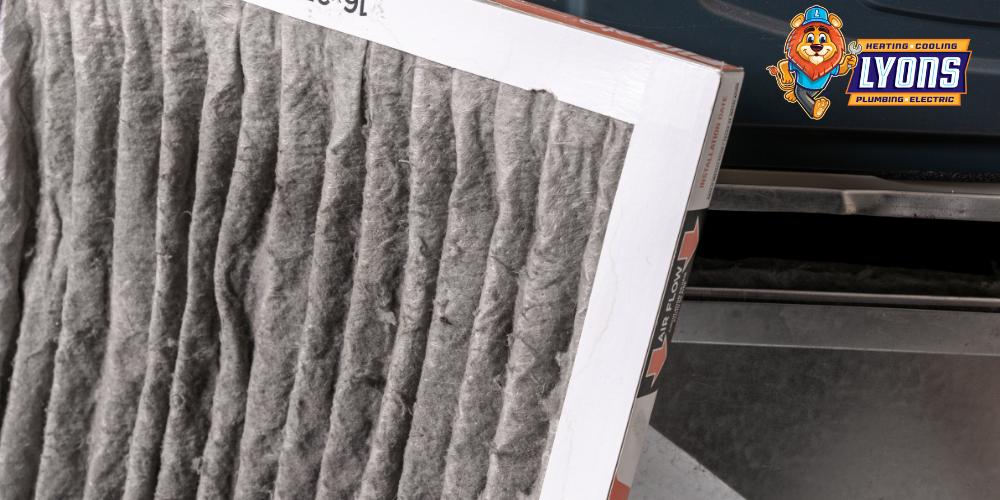
When filters get clogged or you use the wrong type, your HVAC system’s efficiency drops, and your energy bill climbs. Dirty filters force your equipment to work harder, which can lead to breakdowns and expensive repairs. Choosing the right filter and changing it on schedule protects both your investment and your family’s health. Regular maintenance is one of the simplest ways to extend equipment life and maintain good air quality.
What Type of AC Filter is Best for Your Home in Rockwall, TX?
The best filter for your home depends on your home size, budget, health concerns, HVAC system capacity, and other factors. Homes with pets or individuals with allergies benefit from options that capture more airborne pollutants than basic models. Families dealing with asthma or respiratory conditions may need even stronger options, such as UV light filters that kill viruses and microorganisms.
Your HVAC system’s capacity determines how dense a filter you can use without restricting airflow or causing damage. Larger homes with multiple returns might need different filters in different locations, based on room use and air-quality goals. The Lyons team helps Rockwall homeowners select filters that match their specific needs without compromising system performance.
Types of Air Filtration Systems Beyond Standard Filters
Some homes need more advanced filters to achieve clean, healthy air throughout every room. Media air cleaners use thick, accordion-style material that captures far more particles than typical one-inch options. Electronic air cleaners charge particles as they pass through, then collect them on oppositely charged plates you can wash and reuse. UV filters use short-wave UV light and germicidal radiation to neutralize mold, bacteria, and viruses as air moves through your system. Whole-home air purification combines multiple technologies to address specific concerns like smoke, odors, or severe allergies.
Professional installation is especially important for advanced filters. For example, some UV systems can potentially convert oxygen molecules into ozone molecules, so proper installation and equipment selection are essential for safety. Our team helps families determine which upgrades make sense based on their unique circumstances.
How Often Should Air Filters Be Replaced?
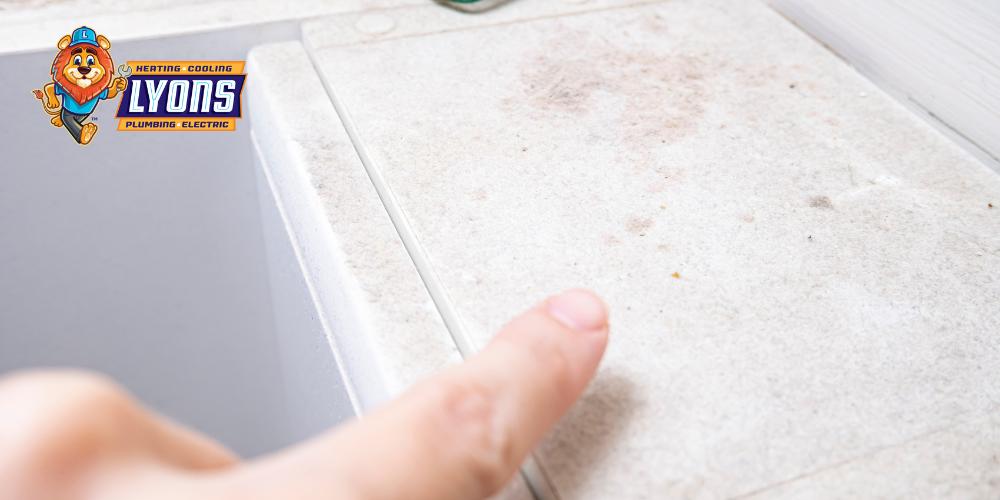
Replacement schedules depend on the filter type you use and what’s happening inside your home. Basic fiberglass filters need to be changed every 30 days, while standard pleated filters typically last 90 days. A higher MERV rating often means more frequent changes since denser material traps particles faster and restricts airflow sooner. Homes with pets, smokers, or allergy-sensitive individuals should replace filters more often than the package recommends. Checking your filter monthly helps you spot buildup before it affects performance or air quality. The HVAC technicians at Lyons can help you figure out how often to change air filters according to your needs.
Choosing the Right Air Filter With Help From Lyons
Selecting the right filter means balancing air quality goals with what your system can actually support. The Lyons team evaluates your equipment, ductwork, and household needs to find options that fit properly and perform well. We ensure proper-sizing and system compatibility so your family can benefit from long-term performance. Our technicians consider factors like pets, allergies, and minor health concerns when recommending filtration levels that won’t strain your system.
Lyons takes the guesswork out of filter selection and maintenance. By signing up for our Rockwall, TX HVAC maintenance plan, you get clean air and reliable performance year-round.
Trust Lyons Air & Heat for Premium HVAC Air Filter Services in Rockwall, TX
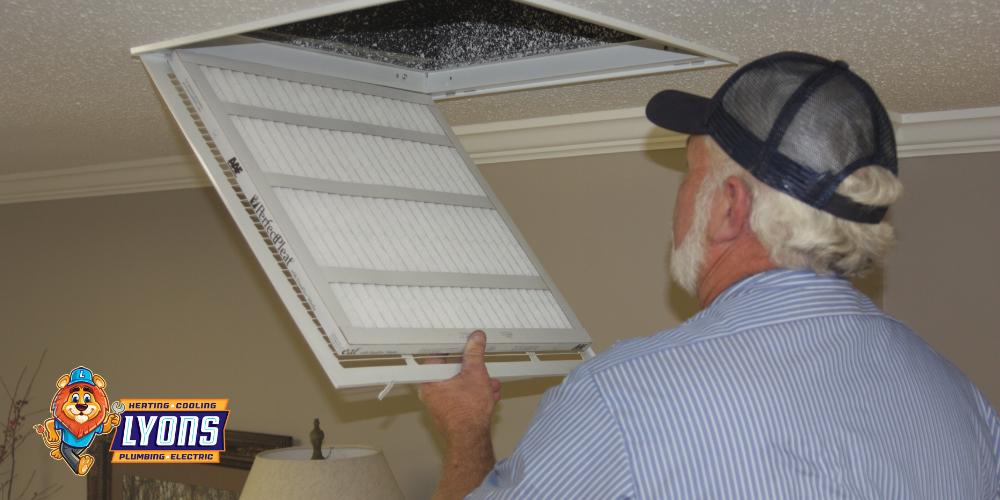
Lyons Air & Heat provides complete HVAC services in Texas, keeping homes comfortable and healthy year-round. Our technicians inspect your system, recommend the right filters for your needs, and handle replacements during routine maintenance visits. We offer indoor air quality solutions beyond basic filtration, including advanced filters for families with specific concerns.
Local homeowners trust our experience and honest advice. Whether you need help choosing between the many different types of air filters for your HVAC system or want to explore whole-home purification options, we’ll explain your choices. Our team serves Rockwall and the surrounding areas. Call us at (469) 224-1512 or send us a message to schedule an inspection or get expert recommendations for your home’s air filtration needs.